 Nara Tours Japan
Home › Guides › Nara Weather: When Is the Best Time for a Nara Tour?
Nara Weather: When Is the Best Time for a Nara Tour?
Nara weather is mild, with a yearly mean of 15.7 C, and the usual best windows are late March for blossom and October to November for leaves. This guide gives the monthly temperatures and rain, what each season changes on a tour, and where to read the live forecast.
Quick answer Nara weather in brief
The Nara Visitors Bureau lists cherry blossom from late March and autumn leaves from October to November, and Nara's yearly mean is 15.7 C. June and July are the wettest months, with 184.1 mm and 173.5 mm of rain. Winter is cold, with January at 4.5 C.
Key takeaways
- Compare the walks and coach days in Nara tours once you know your month.
- For a wet day, a coach both ways such as JTB Nara Afternoon Tour from Kyoto or Osaka with Kasuga Taisha at $99.24 per person cuts the walking.
- In autumn, read the deer rules in Nara Deer Park first.
- Plan the day around temple hours in Todaiji Temple.
What Is the Weather Like in Nara Month by Month?
Nara runs from 4.5 C in January to 27.8 C in August, with the heaviest rain in June and July.
These are Japan Meteorological Agency (JMA) normals for Nara, so they show what a typical month feels like and not the forecast for your dates.
JMA Monthly Normals for Nara
The table lists the months with the clearest figures from the JMA normals. Use it to choose a tour type, then read the live forecast a few days before you go.
| Month | Mean temperature | Rainfall | What it means for a tour |
|---|---|---|---|
| January | 4.5 C | 52.4 mm | Cold. Dress in layers for a long walk |
| April | 14.0 C | Check the JMA normals | Cool and comfortable for walking |
| June | 22.9 C | 184.1 mm | Wettest period. Bring rain gear |
| July | 26.8 C | 173.5 mm | Warm and wet |
| August | 27.8 C | 127.9 mm | Hottest month, so favor morning starts |
| October | 17.7 C | Check the JMA normals | Mild for walking all day |
| November | 11.8 C | Check the JMA normals | Cool, bring a jacket |
| Whole year | 15.7 C | 1,365.1 mm | Yearly mean and total |
Where to Read the Live Forecast
Normals do not tell you about tomorrow. The Japan Meteorological Agency publishes daily forecasts. Check it the evening before a walking tour and ask the operator what happens in heavy rain.
Compare the tours in Nara tours.
Sources: Japan Meteorological Agency, Japan Meteorological Agency.
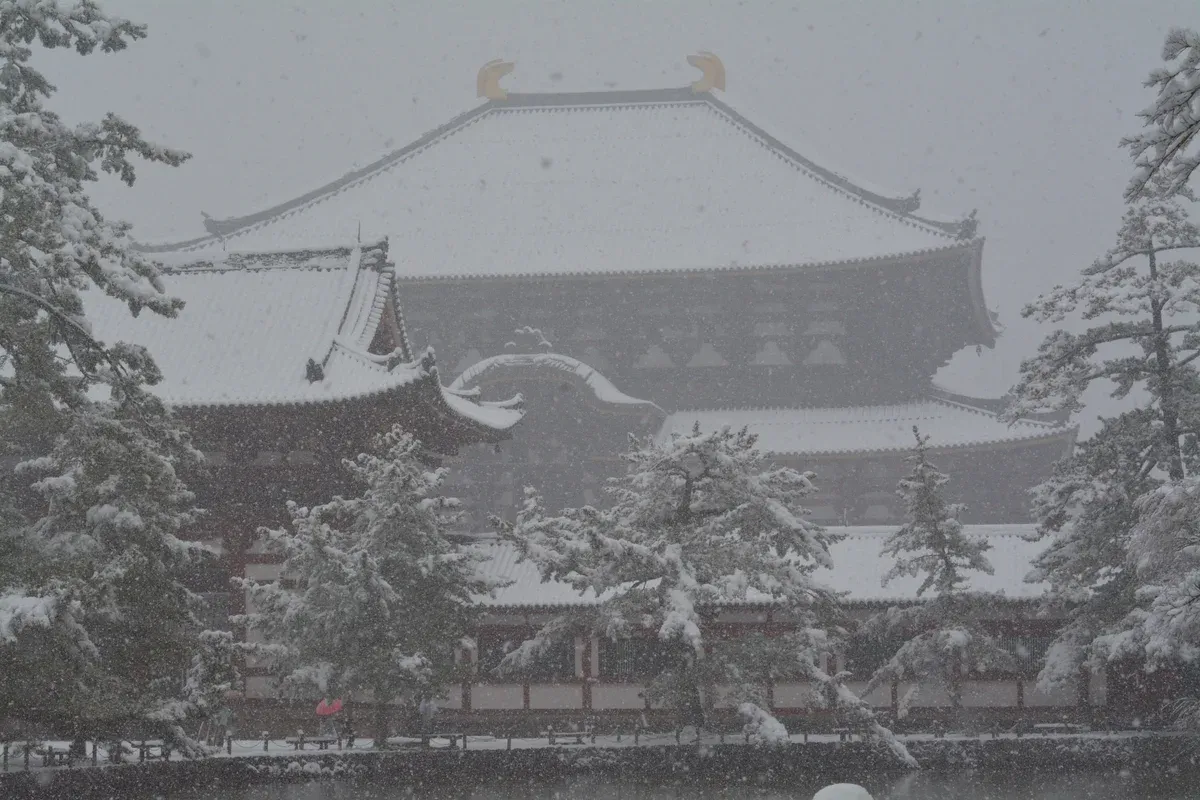
Snow in Nara is rare but heavy falls do settle on the temple roofs in winter. Photo: Degueulasse, CC BY-SA 3.0, via Wikimedia Commons
When Is the Best Time for a Nara Tour?
Late March to June and October to November suit most walkers, and each season adds its own event.
The Nara Visitors Bureau lists the blossom and leaf windows below. Dates move each year, so treat them as the usual window and not a promise.
Spring: Late March to June
The Nara Visitors Bureau lists late March as the start of the cherry blossom window. April averages 14.0 C, which is comfortable for a 3-5 hour walk. At Kasuga Taisha the Man'yo garden has about 200 wisteria trees of 20 varieties, usually blooming from mid-April to early May.
Shuni-e at Nigatsu-do, Todai-ji runs March 1-14 with free admission. Mount Wakakusa costs 150 yen for adults and is open from the 3rd Saturday of March to the 2nd Sunday of December.
Summer: June to August
June and July bring the rain, and August is the hottest month at 27.8 C. Walk early, carry water and plan indoor stops at midday. The Chugen Mantoro lantern festival at Kasuga Taisha runs August 14-15 in the evening, with about 3,000 lanterns.
Autumn: October to November
The Nara Visitors Bureau lists October to November for autumn leaves. October averages 17.7 C and November 11.8 C. Male deer can become aggressive in autumn, so follow the official deer advice in Nara Deer Park.
Temple hours also shorten in November. The Great Buddha Hall at Todai-ji opens 7:30-17:30 from April to October and 8:00-17:00 from November to March.
Winter: December to March
January is the coldest month at 4.5 C. The winter Shikayose deer-calling event runs every Saturday, Sunday and public holiday in January and February at 10:00 and is free. Wakakusa Yamayaki, the Mount Wakakusa hill burning, is held on the fourth Saturday of January and is cancelled in bad weather.
Sources: Nara Visitors Bureau, Nara City Tourism Association, Nara City Tourism Association, Nara City Tourism Association, Nara City Tourism Association, Nara City Tourism Association, Nara City Tourism Association, Todai-ji Temple, Nara City Tourism Association.
Tours That Fit
These coach tours cover Nara in the rain or heat with less walking.
 from $76
Todai-ji included
Nara Guided Morning Tour by Coach from Kyoto
A coach morning from Kyoto with Todai-ji admission in the price, ending in Nara so you can stay on.
Check Availability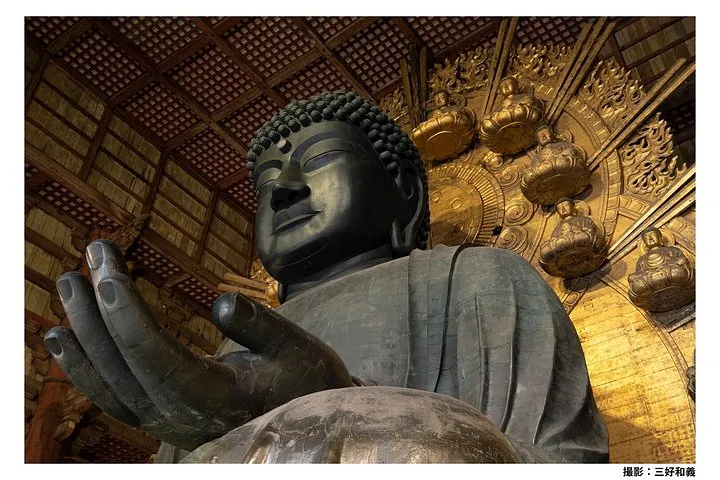 from $99.24
Afternoon
JTB Nara Afternoon Tour from Kyoto or Osaka with Kasuga Taisha
The afternoon option: a licensed guide, coach both ways and the Kasuga Taisha inner area as well as Todai-ji.
Check Availability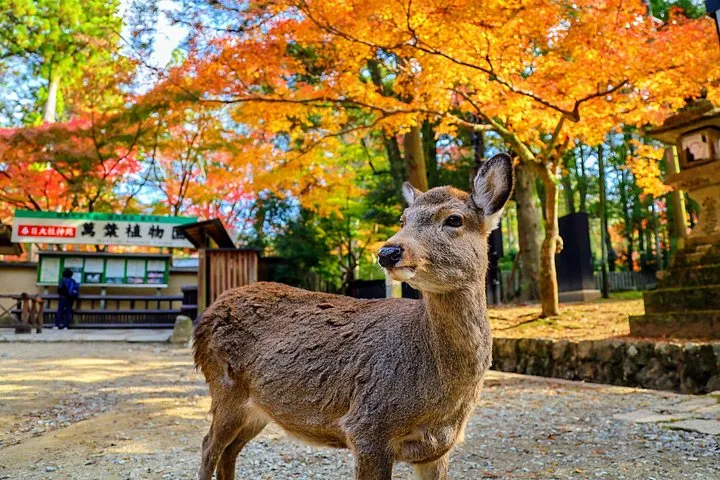 from $124.78
With Uji matcha
Kyoto and Nara Day Tour with Uji Matcha Making
A coach day from Kyoto that adds Byodo-in and a matcha-making session in Uji to the Nara temples.
Check AvailabilityDoes Nara Have Snow?
Winters are cold, with January at 4.5 C, so check the JMA forecast for your dates.
The JMA normals give temperature and rainfall for Nara, so read the forecast for snow before you go.
Planning a Cold-Month Tour
January receives 52.4 mm of rain and averages 4.5 C. Wear layers for a walking tour and keep your hands free for the deer crackers. Wakakusa Yamayaki goes ahead only in fair weather, so a tour built around it can lose its main event.
Temples keep shorter hours from November to March, with the Great Buddha Hall open 8:00-17:00. Kasuga Taisha general worship runs 7:00-17:00 from November to February. Start earlier in winter to keep the daylight.
Sources: Japan Meteorological Agency, Nara City Tourism Association, Kasuga Taisha.
Is Nara Worth It in the Rain?
Yes, if you keep a few indoor stops in the plan, because several sights have roofs and fixed hours.
June and July are the wettest months, with 184.1 mm and 173.5 mm of rain.
Rainy-Day Stops With Hours and Fees
The Nara National Museum is open 9:30-17:00 with last entry at 16:30, and is closed Mondays. Its famous-pieces exhibitions cost 700 yen for adults. The Kofukuji Treasure Hall opens 9:00-17:00 with last entry at 16:45 and costs 700 yen for adults. Isui-en garden and the Neiraku Museum cost 1,200 yen for adults, open 9:30-16:30, closed Tuesdays.
The Great Buddha Hall at Todai-ji is the largest wooden hall, and the Nara City Tourism Association says the full Todai-ji sightseeing course takes about 4 hours.
| Indoor stop | Hours | Adult fee |
|---|---|---|
| Nara National Museum | 9:30-17:00, closed Mondays | 700 yen |
| Kofukuji Treasure Hall | 9:00-17:00 | 700 yen |
| Isui-en and Neiraku Museum | 9:30-16:30, closed Tuesdays | 1,200 yen |
Which Tours Cope With Rain
Nara Guided Morning Tour by Coach from Kyoto costs $76 per person for 4 hours and includes the Todai-ji ticket. JTB Nara Afternoon Tour from Kyoto or Osaka with Kasuga Taisha uses a coach both ways at $99.24 per person. Both reduce the time you spend walking between stops. Read Kyoto to Nara to compare the coach and train routes.
Sources: Nara City Tourism Association, Nara City Tourism Association, Nara City Tourism Association, Nara City Tourism Association.
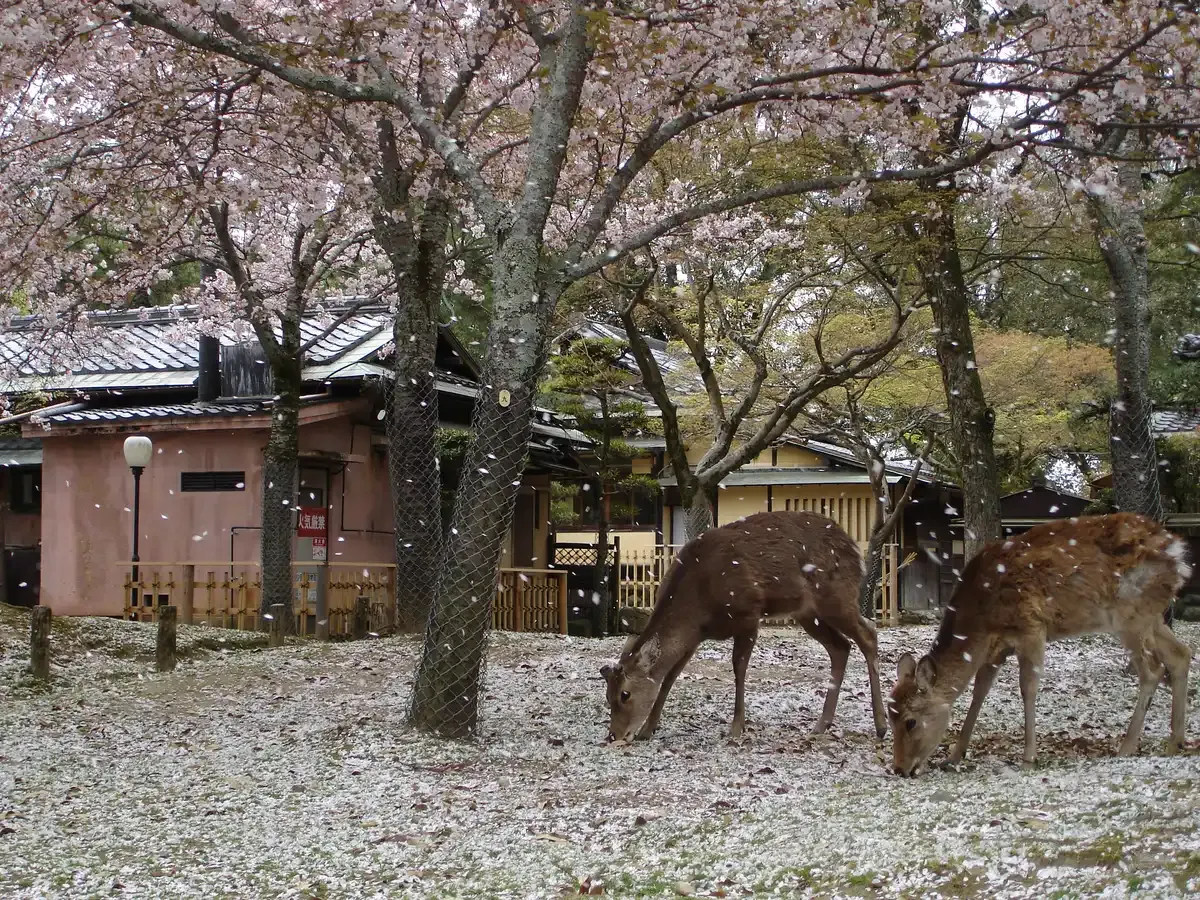
Cherry blossom in Nara Park usually peaks in early April. Photo: Humanoid one, CC BY-SA 3.0, via Wikimedia Commons
Is 4 Hours in Nara Enough?
Four hours covers Todai-ji, Nara Park and one more stop on foot, but the Kyoto loop coach days give only about 1 hour.
The Nara City Tourism Association says the full Todai-ji course alone takes about 4 hours, so 4 hours means choosing.
What 1, 3 and 5 Hours Buy
Walking tours in Nara run 3-5 hours and cover Nara Park and Todai-ji with a guide. Nara, Fushimi Inari and Arashiyama Bus Tour from Kyoto or Osaka lasts 9-10 hours at $79 per person but gives Nara about 1 hour, and it does not include the Todai-ji ticket. Nara Guided Morning Tour by Coach from Kyoto lasts 4 hours at $76 per person including the ticket.
The short plan is the Great Buddha Hall and Nigatsu-do, which the Nara City Tourism Association suggests when time is short. Todai-ji costs 800 yen where the tour does not include it. See Todaiji Temple for hours.
Sources: Nara City Tourism Association, Todai-ji Temple.
What Food Is Nara Famous For?
Yamato vegetables, cha-gayu rice stewed in tea and kaki-no-ha-zushi, which is pressed sushi wrapped in persimmon leaves.
These are the local dishes the Nara City Tourism Association names for the old Naramachi quarter.
Match the Dish to the Weather
Cha-gayu is a warm rice porridge, so it suits the cold days when January averages 4.5 C. Kaki-no-ha-zushi keeps well for a picnic on a dry spring day. Many Naramachi restaurants sit in old townhouses, which makes lunch a dry stop in the rain. Read Naramachi before you plan the afternoon, and see Things to Do in Nara for the rest.
Source: Nara City Tourism Association.
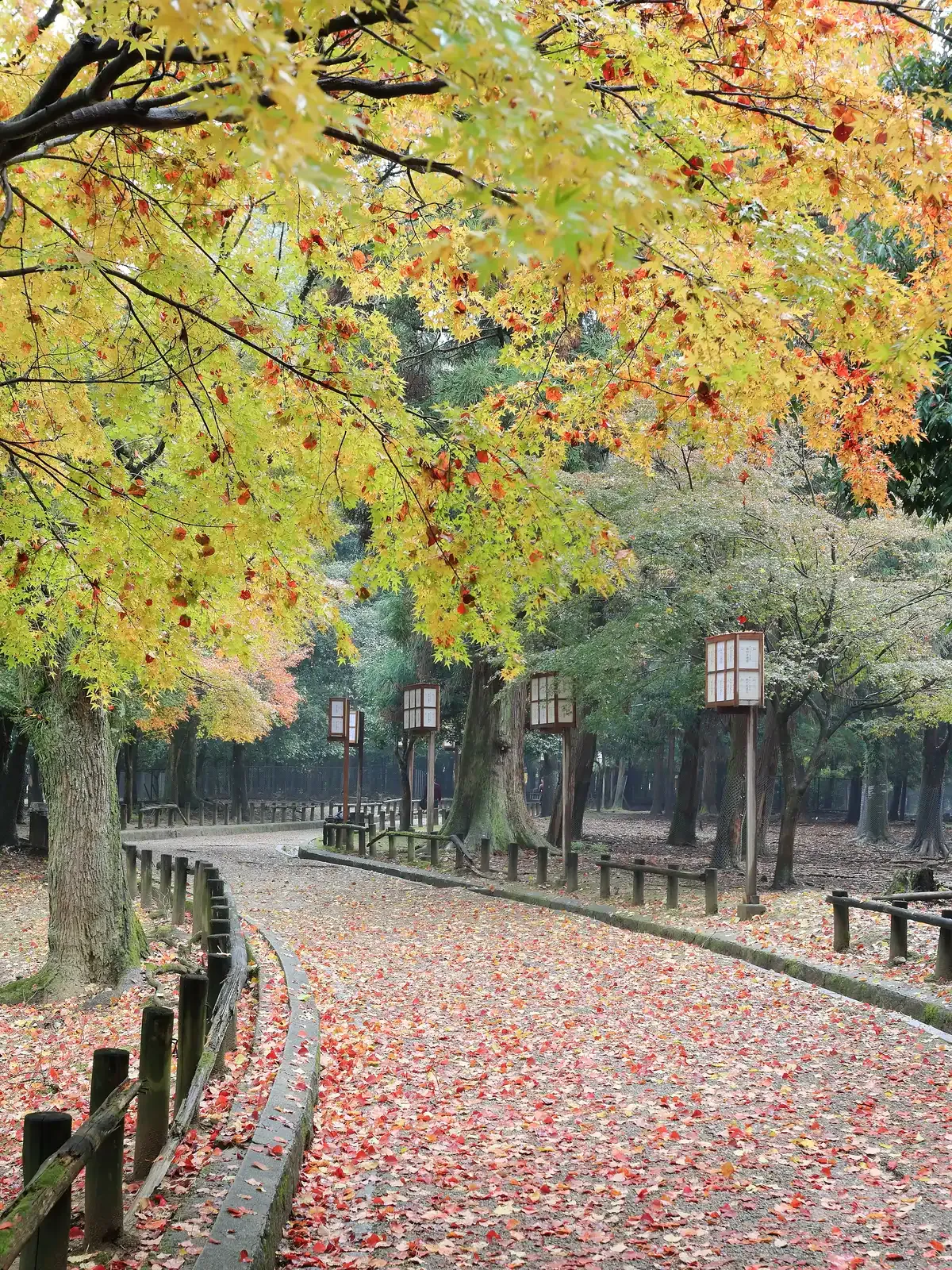
Maples colour in November, when the paths are at their prettiest. Photo: Martin Falbisoner, CC BY-SA 4.0, via Wikimedia Commons
Nara Weather FAQ
What is the hottest month in Nara?
August, with a mean of 27.8 C and 127.9 mm of rain. Start walking tours early, as in Nara tours.
Which are the wettest months in Nara?
June and July, with 184.1 mm and 173.5 mm. A coach day such as JTB Nara Afternoon Tour from Kyoto or Osaka with Kasuga Taisha cuts the walking.
What is the coldest month in Nara?
January, with a mean of 4.5 C. The Kasuga Grand Shrine guide gives its winter hours.
When do the autumn leaves peak in Nara?
The Nara Visitors Bureau lists October to November, but the exact peak changes each year. See Nara Deer Park for autumn deer advice.
How warm is Nara in spring?
April averages 14.0 C, with blossom listed from late March. Read Kofukuji for a stop near the station.
Where do I check the Nara forecast?
Use the Japan Meteorological Agency forecast map. Then compare the walks in Nara tours.
More Guides
- Nara Deer Park: Feeding the Deer, Bowing and the Rules on a Nara Tour
Nara Deer Park for 2027: free entry, the 200 yen crackers, the feeding rules and the tours with the most time with the deer.
- Todaiji Temple: Great Buddha Hall Tickets, Hours and the Tours That Include Them
Todaiji Temple for 2027: the 800 yen Great Buddha Hall ticket, seasonal hours from 7:30 and which Nara tours include entry.
- Kasuga Grand Shrine: The Lantern Shrine of Nara, Fees and Tours
Kasuga Grand Shrine for 2027: its 3,000 lanterns, the 700 yen worship area, opening hours and the tours that go there.