 Nara Tours Japan
Home › Guides › Kasuga Grand Shrine: The Lantern Shrine of Nara, Fees and Tours
Kasuga Grand Shrine: The Lantern Shrine of Nara, Fees and Tours
Kasuga Grand Shrine in Nara holds about 3,000 donated lanterns and charges nothing for its outer grounds. This guide covers the fees, hours, routes and the tours that include it, so you can fit it into your day among Nara tours.
Quick answer Fees, hours and walk time
Kasuga Grand Shrine (Kasuga Taisha) is free to enter on its outer grounds and charges 700 yen for the special worship of the main sanctuary. The main sanctuary opens 6:30-17:30 from March to October and sits in the east of Nara Park, beyond Todai-ji. Its roughly 3,000 donated lanterns are the reason to go, and they are lit only on festival evenings.
Key takeaways
- Walking tours reach the shrine without a bus: see the Great Buddha, Kasuga Shrine and Sacred Deer Walking Tour at $81 per person.
- The 700 yen special worship fee is included in the Nara Deer Park, Todai-ji and Great Buddha Small-Group Walk at $61.47 per person.
- A coach day that gives Nara Park about 1 hour, such as the Japan Visionary Tour, leaves no time for the shrine, so compare time in Nara tours first.
- Lanterns are lit on 14-15 August and on 3 February, so book the Nara Lantern-Lit Night Walk to Nigatsu-do only if the lantern mood is the goal.
What Is Kasuga Taisha Shrine Famous For?
Kasuga Taisha is famous for about 3,000 donated lanterns, vermilion shrine halls and the sacred deer that walk the approach.
Kasuga Grand Shrine is the shrine of the Fujiwara family, and it sits in the east of Nara Park at the foot of Mount Kasuga.
The Lanterns
Kasugataisha says about 3,000 donated lanterns hang from its buildings and stand along its paths. Bronze lanterns hang under the eaves of the cloisters, and moss-covered stone lanterns line the approach through the forest. The lanterns are lit only twice a year, at the two lantern festivals in early February and mid August. On an ordinary day you see them unlit, which is still worth the walk.
Around 3,000 lanterns are lit from sunset at the Mantoro Festival.
The Buildings and the Deer
The shrine halls have bright vermilion columns, white walls and roofs of cypress bark. The buildings are repaired and renewed in the Shikinen Zotai ceremony, which is why the paint looks fresh. Legend says the first kami of the shrine arrived on the back of a white deer, so the deer of Nara Park are treated as sacred messengers.
The deer are wild animals and natural monuments of Japan. Feed them only deer crackers (shika senbei), which cost 200 yen for ten, and give them one by one. Keep bags and maps away from them, because deer may try to eat them.
Sources: Kasuga Taisha, Nara Visitors Bureau, Nara City Tourism Association.
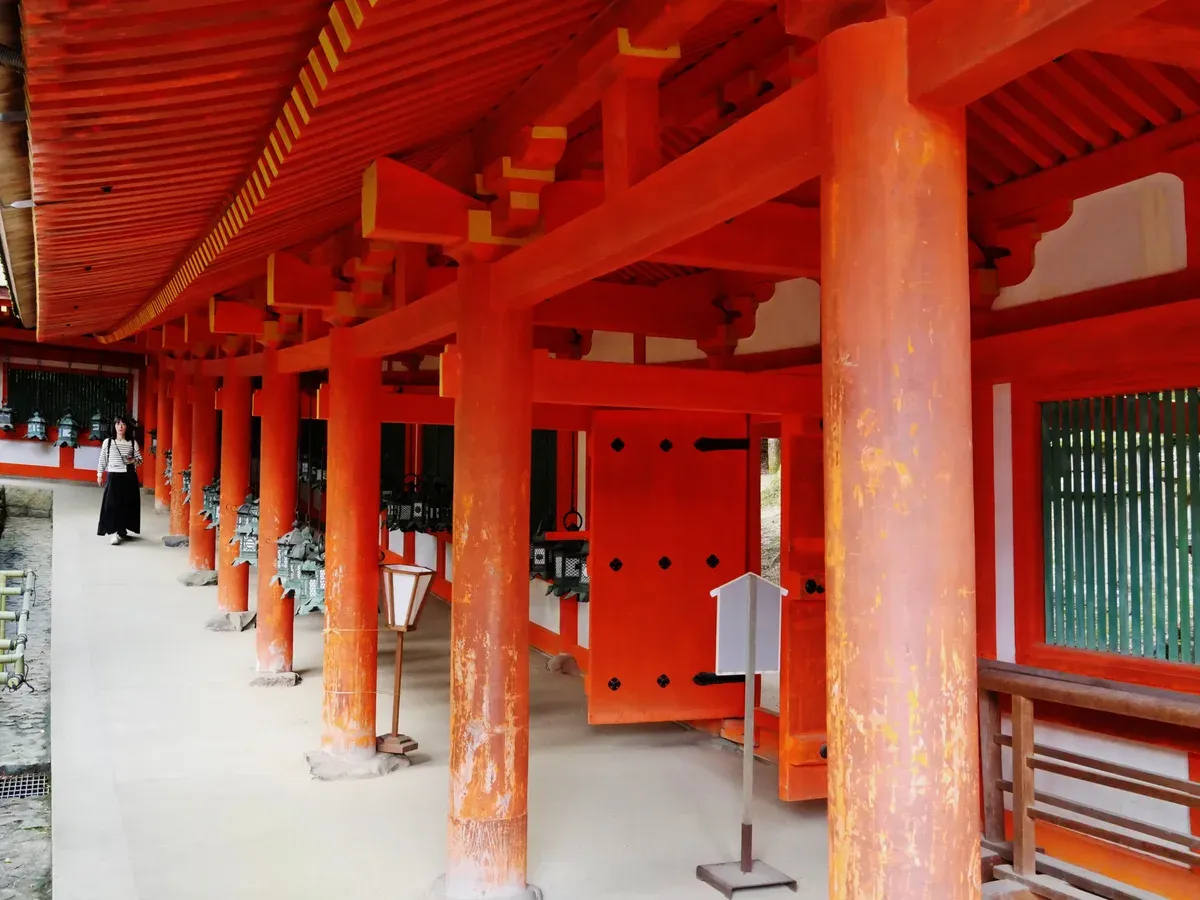
The covered vermilion corridor around the main sanctuary is lined with hanging bronze lanterns. Photo: Zairon, CC BY 4.0, via Wikimedia Commons
Is Kasuga Taisha Shrine Worth Visiting?
Yes if you want the lanterns, the forest approach and a quieter shrine than the crowded Todai-ji area, and less so if you only have 1 hour in Nara.
The shrine is the furthest major stop in Nara Park, so the question is really whether your day has room for it.
Who Gets Most From It
Kasuga Taisha and Kasugayama Primeval Forest are part of the World Heritage listing of 1998, shared with Todai-ji and Kofuku-ji. The approach is a forest path lined with stone lanterns, and it feels very different from the open lawns near the Great Buddha Hall. Travellers who like architecture, photography and walking get the most from it.
The free outer grounds already give you the lantern path and the view of the vermilion halls, so a visit does not depend on paying for any extra area.
Who Can Skip It
A day that gives Nara Park about 1 hour, as the Japan Visionary Tour coach day does, cannot fit the walk. The shrine is on the far side of the park, and getting there and back takes the whole hour before you see anything. In that case choose Todai-ji and the deer, and plan the shrine for a longer walking tour.
Compare time in Nara across Nara tours before you book.
Sources: Nara City Tourism Association, Kasuga Taisha.
Where Is Kasuga Grand Shrine?
Kasuga Taisha lies at the east edge of Nara Park, past the deer lawns, at the foot of the forest. The lantern-lined approach starts near the National Museum.
- 1 Kintetsu Nara StationKintetsu trains from Kyoto and Osaka-Namba. Most walking tours meet here.
- 2 Kofuku-ji5 minutes on foot from Kintetsu Nara. The pagoda is under repair.
- 3 Nara National MuseumBuddhist art at the edge of Nara Park, closed on Mondays.
- 4 Nara Park deer lawnsWhere the deer gather and crackers are sold.
- 5 Todai-ji Great Buddha HallThe Great Buddha, 800 yen for adults.
- 6 Kasuga TaishaThe lantern shrine. The outer grounds are free.
- 7 Mount WakakusaThe grass hill above the park.
Numbers match the pins on the map.
Source: Nara City Tourism Association.
Do You Need Tickets for Kasuga Taisha Shrine?
No ticket is needed for the outer grounds, but the special worship of the main sanctuary, the museum and the botanical garden each charge 700 yen for adults.
The shrine's own price list separates the free area from three paid areas, so decide which ones you want before you queue.
Kasuga Taisha Entrance Fee and Hours
The offering hall and the approach can be visited free of charge. A paid inner area gives a closer view of the main sanctuary and its buildings. Kasugataisha lists the figures below on its own visitor page.
The Nara City Tourism Association shows an older garden fee of 500 yen for adults and 200 yen for children, so use the shrine's current figure of 700 yen and 300 yen.
| Area | Adult fee | Hours |
|---|---|---|
| Outer grounds and main sanctuary general worship | Free | 6:30-17:30 March to October, 7:00-17:00 November to February |
| Special worship of the main sanctuary | 700 yen | Reception 9:00-16:00 |
| Kasugataisha Museum | 700 yen | 10:00-17:00, last entry 16:30 |
| Man'yo Botanical Garden | 700 yen | 9:00-16:30, last entry 16:00, closed Tuesdays June to March |
Student Fees
The museum fee for younger visitors is 400 yen for university and high school students and 300 yen for junior high and elementary students.
Guided tours often settle the fee for you. The GOKU TRIP walking tour includes the special worship area, and the JTB afternoon tour includes the Kasuga Taisha inner area.
Sources: Kasuga Taisha, Nara City Tourism Association.
Tours That Fit
These tours include or pass Kasuga Taisha, so you do not need to buy the shrine tickets separately.
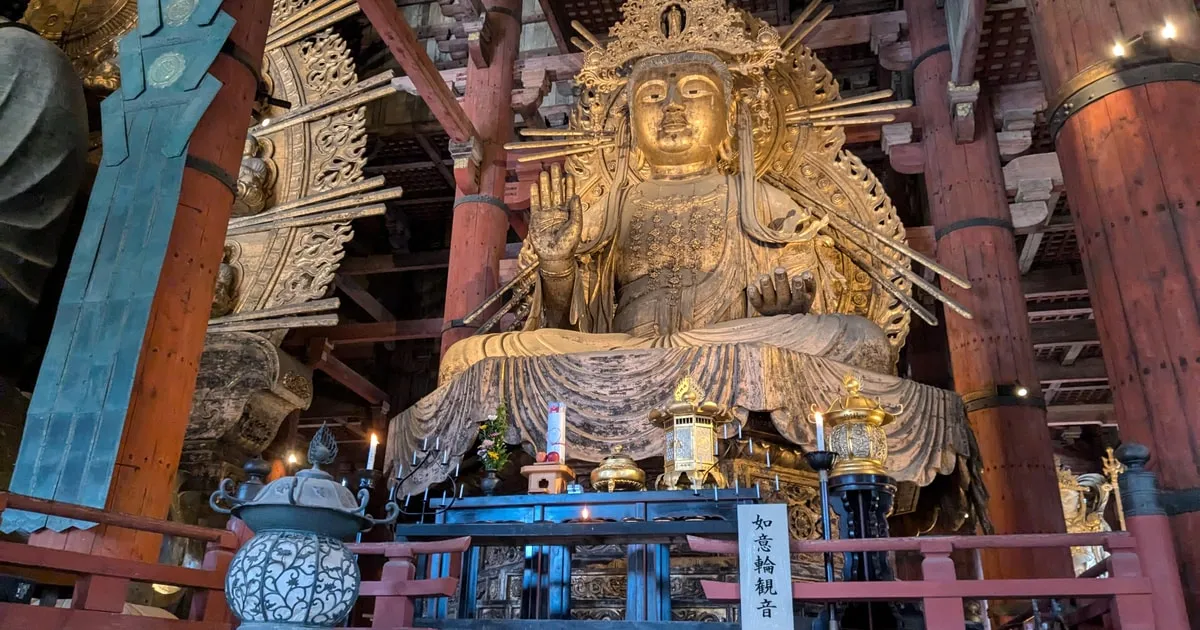 from $81
Kasuga included
Great Buddha, Kasuga Shrine and Sacred Deer Walking Tour
A 3-hour walk that pays for both the Great Buddha Hall and the Kasuga Taisha worship area, with deer crackers.
Check Availability from $61.47
Small group
Nara Deer Park, Todai-ji and Great Buddha Small-Group Walk
A small-group walk through Kofuku-ji, Nara Park, Todai-ji and Kasuga Taisha with entrance fees included.
Check Availability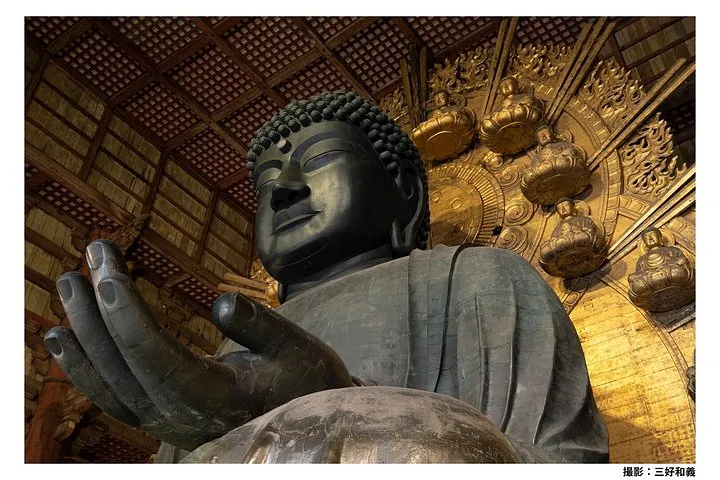 from $99.24
Afternoon
JTB Nara Afternoon Tour from Kyoto or Osaka with Kasuga Taisha
The afternoon option: a licensed guide, coach both ways and the Kasuga Taisha inner area as well as Todai-ji.
Check AvailabilityHow to Get to Kasuga Taisha Shrine from Nara Park?
Walk from Kintetsu Nara Station through Nara Park, or take the city loop bus to Kasuga Taisha Omotesando (9-13 minutes) and walk about 10 minutes.
Kasuga Taisha is in the east of Nara Park, beyond Todai-ji, so most routes cross the park on foot.
Routes From the Stations
The Nara City Tourism Association suggests the city loop bus to Kasuga Taisha Omotesando, which takes 9-13 minutes, followed by a walk of about 10 minutes. You can also walk through Nara Park from either station. Use Kintetsu Nara Station if you can, because it is closer to the park.
| Route | Time | Cost |
|---|---|---|
| Walk from Kintetsu Nara Station | Across Nara Park | Free |
| Walk from JR Nara Station | Across Nara Park, longer than from Kintetsu Nara | Free |
| City loop bus to Kasuga Taisha Omotesando, then walk | 9-13 minutes plus about 10 minutes on foot | Gurutto buses are 100 yen per trip |
Walking From Todai-ji Through Nara Park
Todai-ji is about a 15-minute walk from Kintetsu Nara Station, and Nara Park is about 8 minutes on foot from the same station. Nara Park is free and open every day. It has no trash bins, so carry your rubbish out.
A good order is to walk to the shrine first, then work back past Todai-ji toward the station. Paths also lead from the shrine to Mount Wakakusa and Kofuku-ji. A guided walk follows this order for you, as on the Nara Deer Park walk with Todai-ji.
Sources: Nara City Tourism Association, Nara Visitors Bureau.
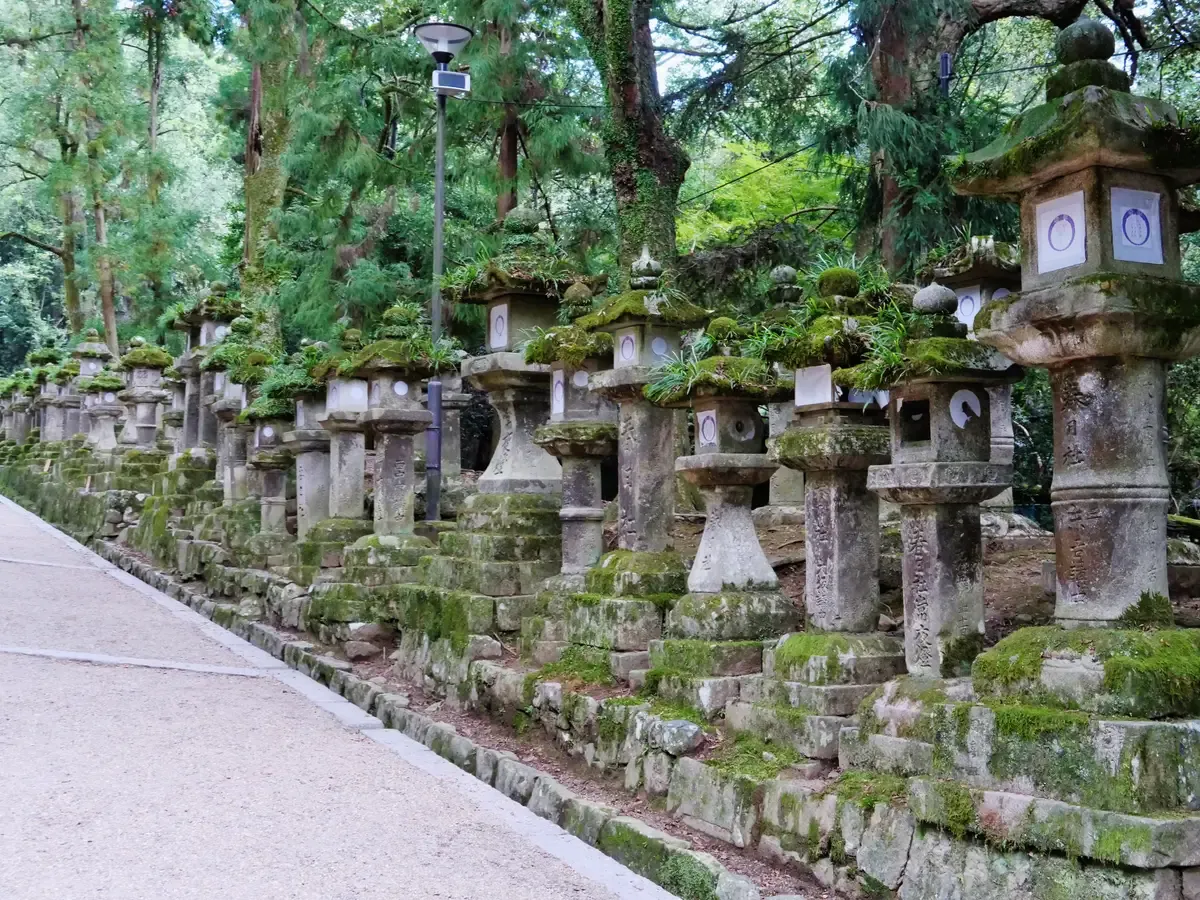
Thousands of stone lanterns line the approach, and the moss is thickest in the rainy season. Photo: Zairon, CC BY 4.0, via Wikimedia Commons
How Long to Spend at Kasuga Shrine?
Plan around the walk across the park each way and the opening hours of the paid areas.
The shrine grounds are large, and the time you need depends on how many paid areas you add.
Planning Around the Hours
Main sanctuary general worship runs 6:30-17:30 from March to October and 7:00-17:00 from November to February. The museum closes at 17:00 with last entry at 16:30, and the botanical garden closes at 16:30 with last entry at 16:00. The special worship area stops taking reception at 16:00.
For a visit to the free grounds only, the walk in and the same walk back are the main time cost. Add the museum or garden only if your day has room.
What a Tour Gives You
The GOKU TRIP walk runs 3 hours and covers the Great Buddha Hall, the Kasuga Taisha worship area and the deer, with the Great Buddha Hall ticket included. The Travel Japan Together walk runs 4 hours and includes both Kasuga Taisha and Todai-ji. A tour of 6 hours such as the Japan Guide Agency private tour lets you choose 3-4 sites with a licensed guide, so confirm that Kasuga Taisha is on the list.
Sources: Kasuga Taisha, Nara Visitors Bureau.
When Are the Lanterns Lit at Kasuga Taisha?
The lanterns are lit on 14-15 August at the Chugen Mantoro festival and on Setsubun, 3 February.
Lantern evenings are the one time the shrine looks different from every other day of the year.
The Two Lantern Festivals
Kasugataisha holds its Chugen Mantoro lantern festival on 14-15 August every year in the evening. The lanterns are also lit on Setsubun on 3 February. Around 3,000 lanterns, from the stone lanterns on the forest paths to the bronze ones inside the shrine, are lit from sunset. Times and crowds change by year, so check the shrine's own page before you plan an evening.
On other nights the shrine is not lit. The Nara Lantern-Lit Night Walk to Nigatsu-do from Kurabi runs 2 hours at $54 per person and covers about 3 km on foot. It starts at Kintetsu Nara Station and does not include the Great Buddha Hall, so treat it as a different lantern experience and not a replacement for the shrine.
Wisteria Season
The Man'yo garden has about 200 wisteria trees of 20 varieties, usually blooming from mid-April to early May. Bloom dates move with the weather, so treat these as a range and not a promise. The wisteria is the family crest of the Fujiwara, and it appears in carvings throughout the shrine.
Sources: Nara City Tourism Association, Nara Visitors Bureau.
Which Nara Tours Include Kasuga Taisha?
Some walking and coach tours include the Kasuga Taisha fee, and a private tour can add it on request.
A Nara tour is best chosen by what the price covers and how much time you get on the ground.
Tours Compared by Kasuga Taisha Coverage
This table compares the tours that reach the shrine. All prices are per person. The Great Buddha Hall ticket at Todai-ji costs 800 yen if you buy it yourself.
| Tour | Price | Time | Todai-ji ticket | Kasuga Taisha |
|---|---|---|---|---|
| JTB Nara Afternoon Tour from Kyoto or Osaka with Kasuga Taisha | $99.24 | 5-7 hours | Included | Inner area included |
| Great Buddha, Kasuga Shrine and Sacred Deer Walking Tour | $81 | 3 hours | Included | Special worship area included |
| Nara Deer Park, Todai-ji and Great Buddha Small-Group Walk | $61.47 | 4 hours | Included | Entry fee included |
| Japan Guide Agency Private Nara Tour with a Licensed Guide | $140.86 | 6 hours | Not included | Choose from the operator's site list |
| Nara Lantern-Lit Night Walk to Nigatsu-do | $54 | 2 hours | No Great Buddha Hall visit | Not on the route |
How to Choose
For the shrine with a guide, the GOKU TRIP walk and the Travel Japan Together walk both go on foot, so you do not queue for a bus. The JTB coach tour starts from Kyoto Station or Hotel Granvia Osaka and travels by coach both ways, which suits you if you do not want the train. Its operator, JTB Sunrise Tours, includes admission fees and a government-licensed English guide interpreter in the price.
The Nara, Fushimi Inari and Arashiyama Bus Tour is a Kyoto loop coach day with about 1 hour in Nara, so it is better for the Great Buddha than for this shrine. See all options under Nara tours.
Source: Kasuga Taisha.
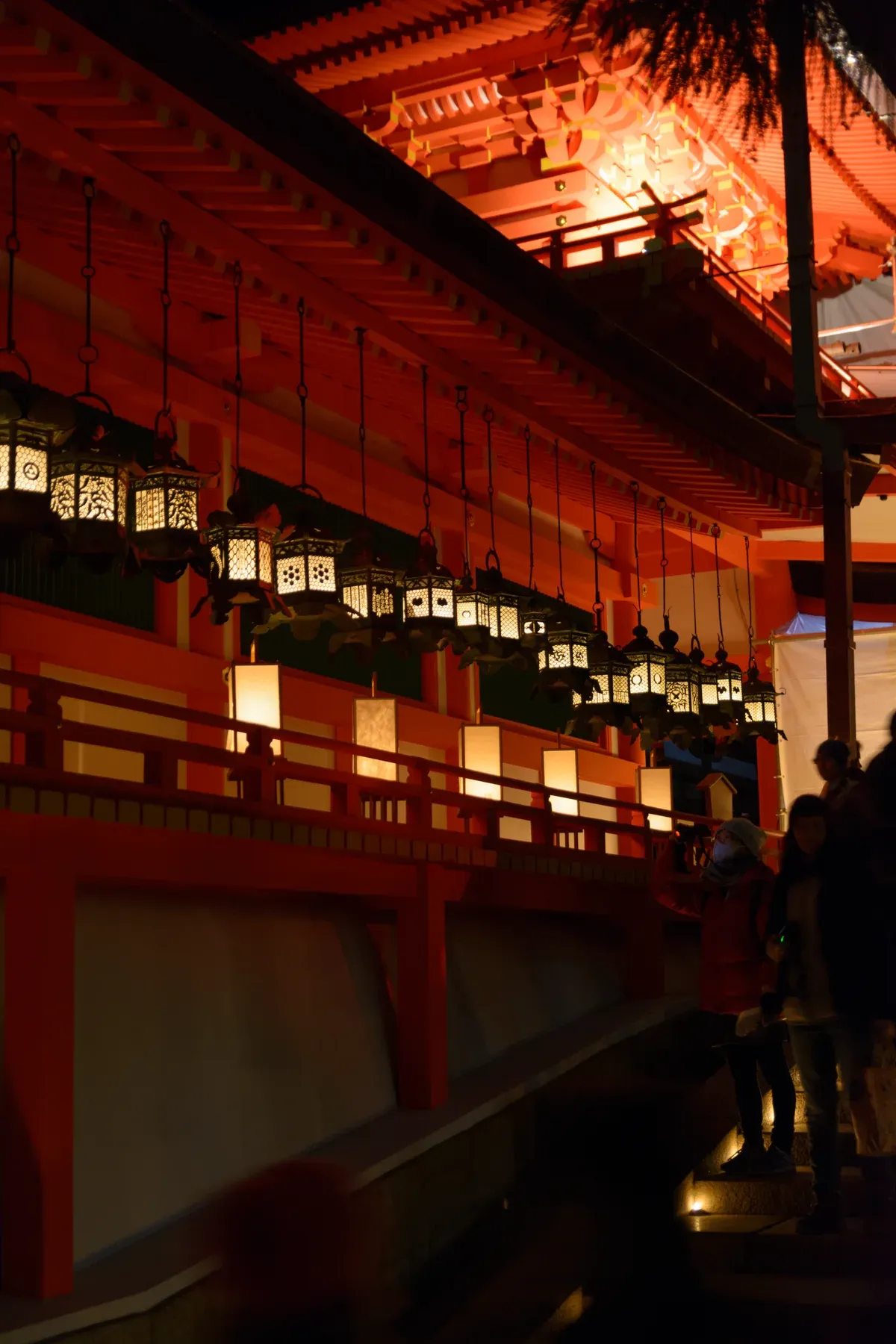
Lanterns at Kasuga Taisha are lit on festival nights, including Setsubun in early February. Photo: Degueulasse, CC BY 3.0, via Wikimedia Commons
Kasuga Grand Shrine FAQ
Is Kasuga Taisha Shrine free to enter?
The outer grounds and the approach are free, while the special worship area, the museum and the botanical garden each cost 700 yen for adults, as listed on the shrine's visitor page.
What time does Kasuga Taisha open?
The main sanctuary opens 6:30-17:30 from March to October and 7:00-17:00 from November to February, per the shrine's visitor page.
How far is Kasuga Taisha from Nara Station?
It is in the east of Nara Park, so allow time to cross the park on foot from either station, or take the city loop bus to Kasuga Taisha Omotesando (9-13 minutes) plus a walk of about 10 minutes, as the Nara City Tourism Association advises.
Can I feed the deer near Kasuga Taisha?
Feed them only deer crackers at 200 yen for ten and give them one by one, as the Nara City Tourism Association advises. The deer are wild animals, so keep bags and maps away from them.
What is the etiquette at the shrine gate?
Stand to the side of the gate, not the middle, and bow once, as the Nara City Tourism Association explains.
Which tour includes Kasuga Taisha?
The GOKU TRIP walking tour at $81 per person includes the special worship area, and the JTB afternoon tour at $99.24 includes the inner area.
More Guides
- Nara Walking Tour: Guided Walks to the Deer, Todai-ji and Kasuga Taisha
Nara walking tours for 2027: 3 to 5 hour guided walks, where each starts and whether the Great Buddha Hall ticket is in.
- Nara at Night: A Lantern Walk to Nigatsu-do and a Naramachi Sake Tour
Nara at night for 2027: a 2-hour lantern walk to Nigatsu-do and a 3-hour sake tour in Naramachi. Check availability.
- Nara Private Tour: Licensed Guides and Private Cars from Kyoto or Osaka
Nara private tours for 2027: licensed guides on foot, a private car from your hotel and who includes the Todai-ji ticket.